In Kathmandu, Lalitpur, Bhaktapur and most urban areas of Nepal, hot water is no longer a luxury – it is a daily necessity. For years, the majority of households have relied on electric geysers. However, with continuously rising electricity tariffs, longer winters, and growing awareness about energy efficiency, more families are seriously considering a solar water heater.
The big question in 2026 is simple:
Should you continue with an electric geyser or switch to a solar water heater?
This detailed guide provides a complete, honest, and practical comparison based on real conditions in Nepal. We will examine running cost, performance in winter, lifespan, maintenance, environmental impact, and long-term value so you can make the right decision for your home.
Understanding Both Systems
Electric Geyser
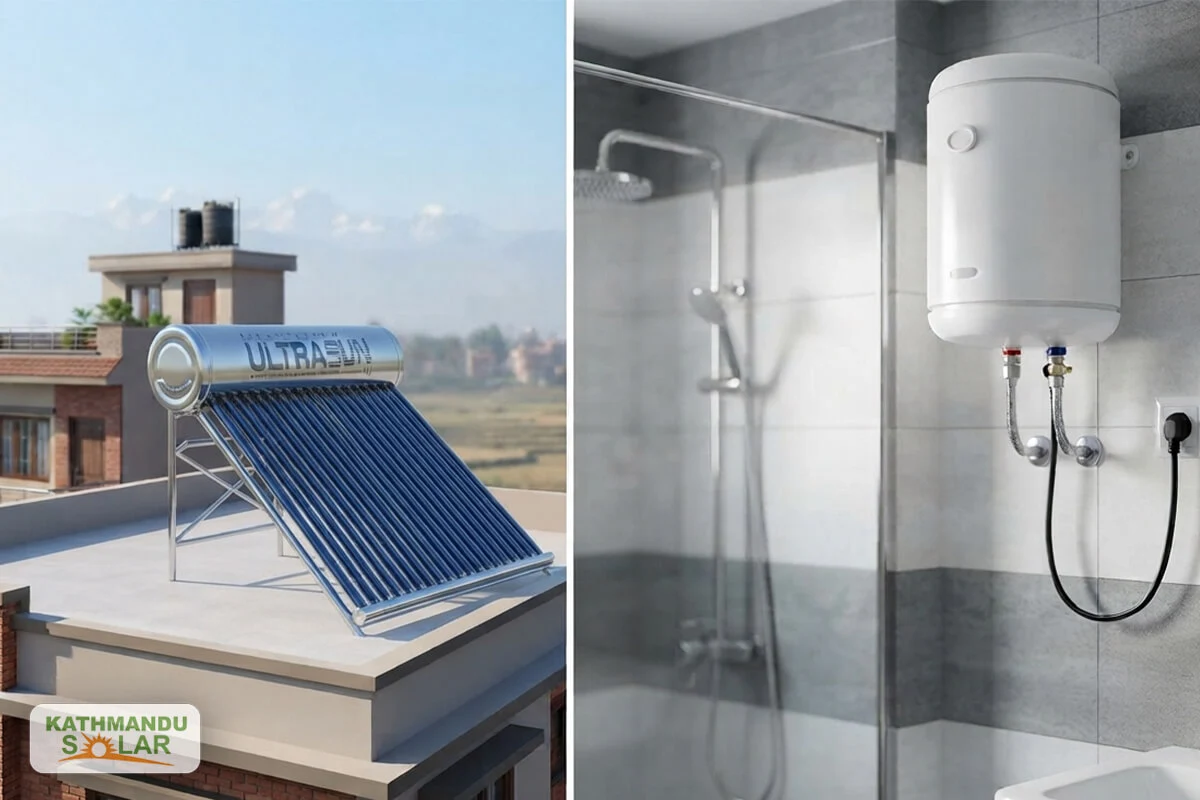
An electric geyser (also called electric water heater) uses electricity to heat water stored in an insulated tank. It is simple to install, relatively cheap to buy, and works as long as there is power supply. Most homes in Kathmandu Valley still use this system.
Solar Water Heater
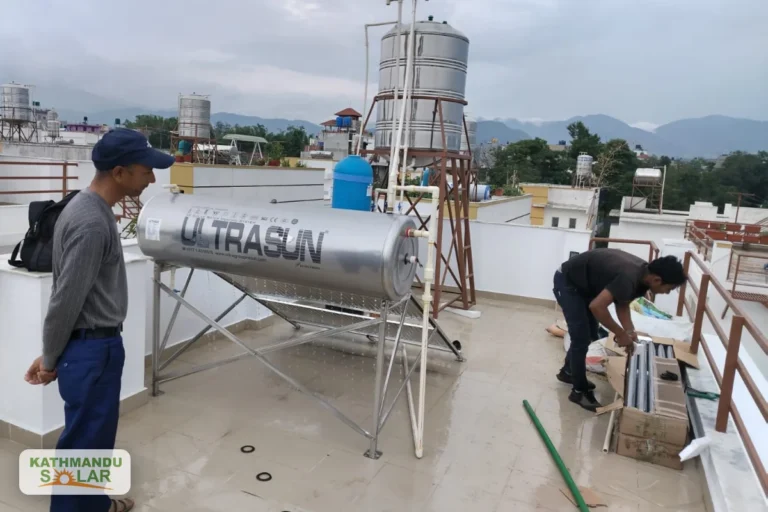
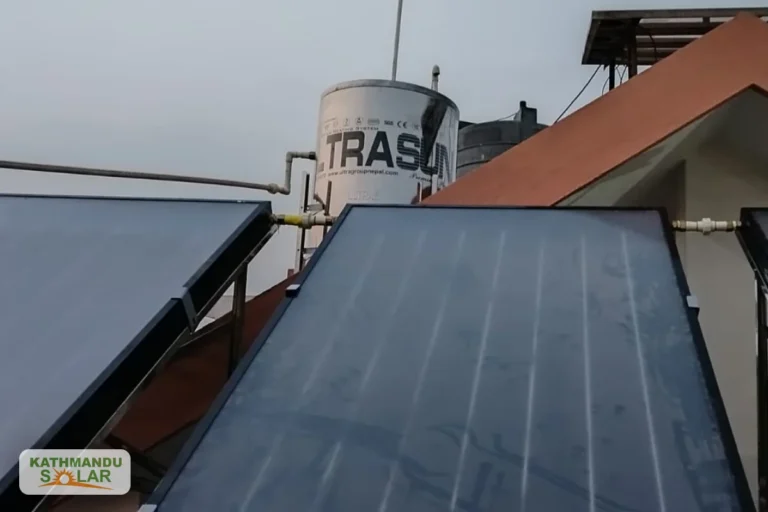
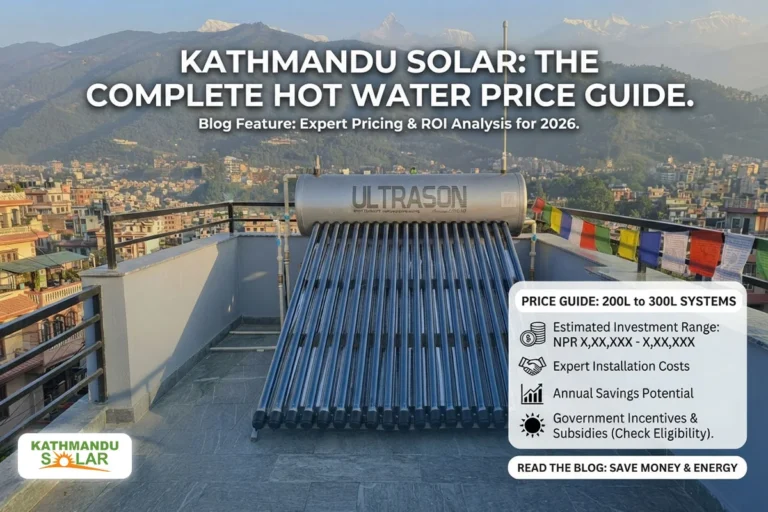
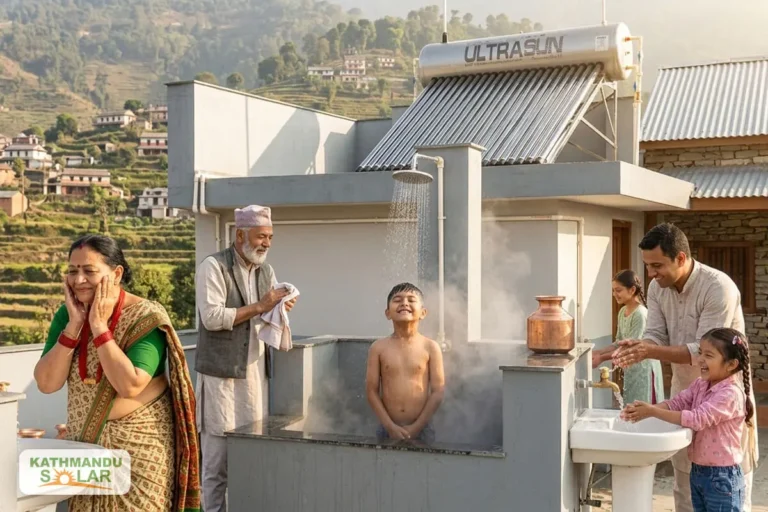
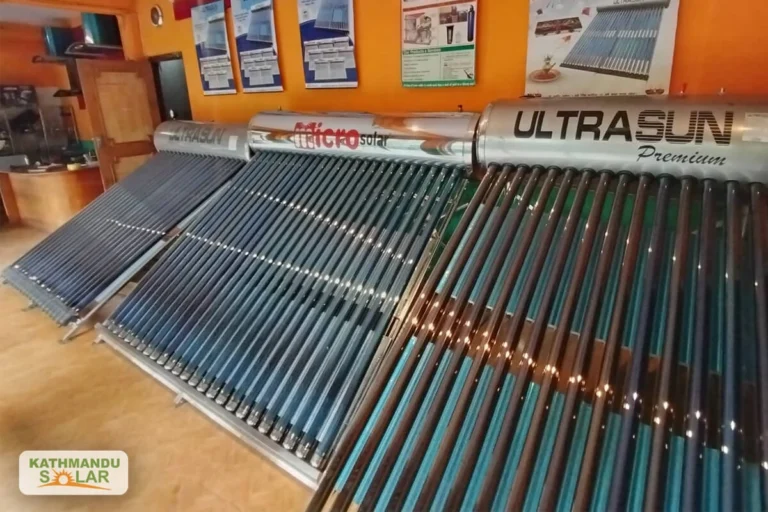
A solar water heater (also known as solar geyser or solar thermal system) uses sunlight to heat water. Modern systems available in Nepal, such as UltraSun 5G models, come with high-efficiency evacuated tubes, strong insulation, and an inbuilt electric backup element. This combination ensures hot water even on cloudy days or during cold winter mornings.
At Kathmandu Solar, we have installed hundreds of solar water heaters across the Kathmandu Valley and have seen firsthand how much difference a quality system can make.
Detailed Comparison: Solar Water Heater vs Electric Geyser
| Factor | Solar Water Heater | Electric Geyser | Clear Winner |
|---|---|---|---|
| Initial Cost | Higher (NPR 50,000 – 2,00,000+) | Lower (NPR 8,000 – 30,000) | Electric Geyser |
| Monthly Running Cost | Very low | High | Solar |
| Performance in Winter | Excellent with electric backup | Good | Slight edge Solar |
| Performance during Power Cuts | Continues to work (with backup) | Stops completely | Solar |
| Lifespan | 15 – 25 years | 5 – 8 years | Solar |
| Maintenance | Low (mainly cleaning and occasional servicing) | Medium (element replacement, tank issues) | Solar |
| Environmental Impact | Clean and renewable | Increases electricity demand | Solar |
| Space Requirement | Needs roof space | Needs only wall or bathroom space | Electric |
| Long-term Value | Excellent | Average | Solar |
1. Running Cost -d The Most Important Factor for Nepali Families
This is where the biggest difference appears.
An average family of 4 – 5 members in Kathmandu using an electric geyser can easily spend NPR 1,800 to 4,000 per month on water heating alone, especially from November to February. Over a year, this often exceeds NPR 25,000 – 40,000 just for hot water.
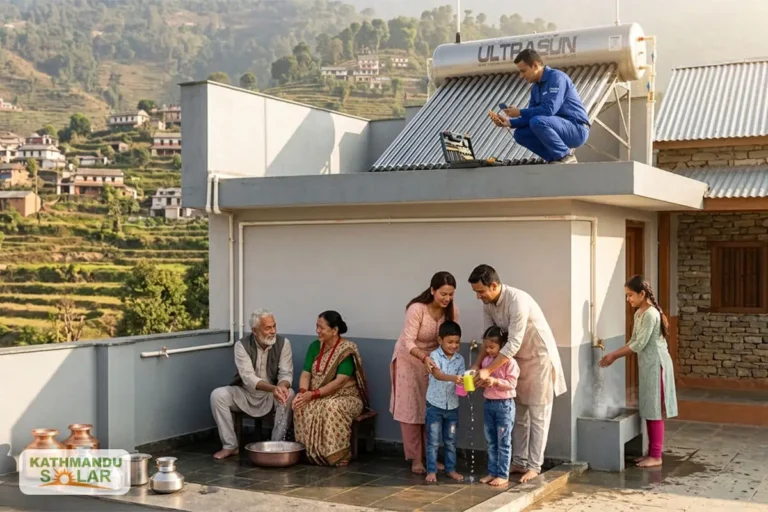
A properly sized and professionally installed solar water heater reduces this cost dramatically. Most of the heating is done by free sunlight. The electric backup is used only when necessary (cloudy days or very cold mornings). Many of our customers report that their electricity bill dropped noticeably after switching.
When you calculate the savings over 5 – 7 years, the solar water heater usually pays for itself and then continues to provide almost free hot water for another 10–15 years.
You can check current pricing details in our guide: Solar Water Heater Price in Nepal 2026.
2. Performance in Kathmandu Winter and Monsoon
A common concern is: “Does a solar water heater work properly in winter?”
In older systems, performance used to drop significantly during cold months. However, modern evacuated tube technology (especially UltraSun 5G series) has improved this greatly. These systems absorb heat efficiently even in low sunlight and retain heat overnight due to high-density insulation.
With the inbuilt electric backup, you still get hot water early in the morning during peak winter. During monsoon, the backup element compensates for reduced sunlight.
Electric geysers work consistently as long as there is electricity, but they become expensive exactly when you need them most – in winter.
3. Lifespan and Replacement Cost
Quality solar water heaters last 15 to 25 years when installed correctly and maintained properly. Electric geysers typically last 5 to 8 years. Over a 20-year period, you may need to replace an electric geyser two or three times, while one good solar system continues working.
This long lifespan significantly improves the overall return on investment of a solar water heater.
4. Maintenance Requirements
Solar Water Heater Maintenance
- Regular cleaning of tubes (especially after dusty or foggy periods)
- Checking for leaks and insulation
- Occasional professional servicing
We have a complete guide on this topic: Solar Water Heater Maintenance & Repair in Nepal.
Electric Geyser Maintenance
- Heating element replacement
- Thermostat issues
- Tank scaling and corrosion (common with hard water in many areas of Kathmandu)
Overall, solar systems require less frequent and lower-cost maintenance when installed by professionals.
5. Safety and Reliability
Electric geysers involve continuous high electricity usage and can pose risks if wiring or earthing is poor. Solar water heaters operate mostly on thermal energy and use electricity only for backup, making them generally safer in the long run.
During load-shedding or power cuts (still occasional in some areas), a solar water heater with proper backup continues to supply hot water, while an electric geyser stops completely.
6. Environmental Impact
Nepal is working toward cleaner energy. According to the Alternative Energy Promotion Centre (AEPC), promoting solar thermal systems helps reduce pressure on the national grid and lowers carbon emissions. Every solar water heater installed contributes to this national goal.
Electric geysers increase daytime and evening electricity demand, which sometimes forces greater reliance on more expensive or less clean power sources.
Who Should Choose a Solar Water Heater?
A solar water heater is strongly recommended if:
- You own your home and plan to stay long-term
- Your family uses hot water daily
- You want to reduce monthly electricity bills
- You live in Kathmandu Valley or other areas with good sunlight
- You are building a new house or renovating
Who Might Still Prefer an Electric Geyser?
- People living on short-term rent
- Those with extremely limited initial budget
- Homes with no suitable roof space for installation
Even in these cases, many people later switch once they experience the high running cost of electric geysers.
Real Savings Example (Kathmandu Family)
Let’s take a realistic example of a family of 5 members:
- Electric geyser monthly extra cost in winter: NPR 2,500
- Annual extra cost: approximately NPR 25,000 – 30,000
- Solar water heater (300L class) total investment: around NPR 90,000 – 1,20,000 (including installation)
Payback period: Usually 4 – 5 years
After payback: Almost free hot water for the next 15+ years
This calculation does not even include the rising trend of electricity tariffs, which makes solar even more attractive over time.
Common Myths About Solar Water Heaters in Nepal
Myth 1: Solar water heaters do not work in winter.
Reality: Modern systems with electric backup work reliably.
Myth 2: Installation is very complicated.
Reality: Professional installation is usually completed in one day. See our detailed process: Solar Water Heater Installation in Kathmandu Valley.
Myth 3: Solar water heaters need too much maintenance.
Reality: They need less maintenance than most people expect when installed correctly.
How to Make the Switch Successfully
- Calculate your daily hot water requirement
- Get a proper site survey (roof direction, space, water pressure)
- Choose the right capacity and technology
- Select a reliable authorized dealer
- Ensure professional installation and after-sales support
You can explore the best options currently available in our review: Best Solar Water Heater in Nepal 2026.
Why Choose Kathmandu Solar?
Kathmandu Solar is an authorized UltraSun dealer based in Mahalaxmisthan, Lalitpur. We specialize in:
- Genuine UltraSun 5G solar water heaters
- Professional installation across Kathmandu, Lalitpur, Bhaktapur and beyond
- Transparent pricing
- Strong after-sales service and repair support
- Free consultation and site assessment
We also offer related solutions including solar panel installation, inverters, and RO water filters for customers looking for complete energy-efficient homes.
Final Verdict: Which is Better in 2026?
For the majority of permanent homes in Nepal, a solar water heater is clearly the better long-term choice. While the initial investment is higher, the savings on electricity, longer lifespan, better reliability during power cuts, and environmental benefits make it the smarter decision.
Electric geysers still have a place for temporary or very low-budget situations, but they are becoming increasingly expensive to operate every year.